Abyssinian Mustard
/
(Crambe hispanica)
Abyssinian Mustard (Crambe hispanica)
/


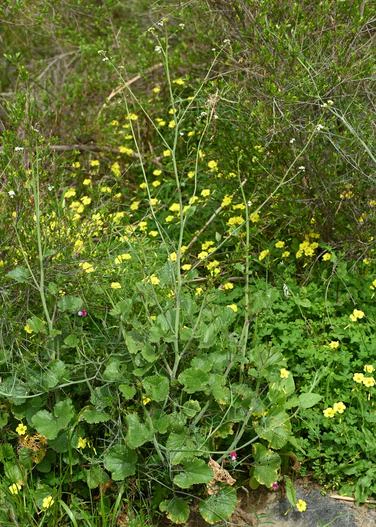

Krzysztof Ziarnek, Kenraiz
CC BY-SA 4.0

Image By:
Krzysztof Ziarnek, Kenraiz
Recorded By:
Copyright:
CC BY-SA 4.0
Copyright Notice:
Photo by: Krzysztof Ziarnek, Kenraiz | License Type: CC BY-SA 4.0 | License URL: https://creativecommons.org/licenses/by-sa/4.0 | Uploader: Kenraiz | Publisher: Wikipedia Commons





Summary
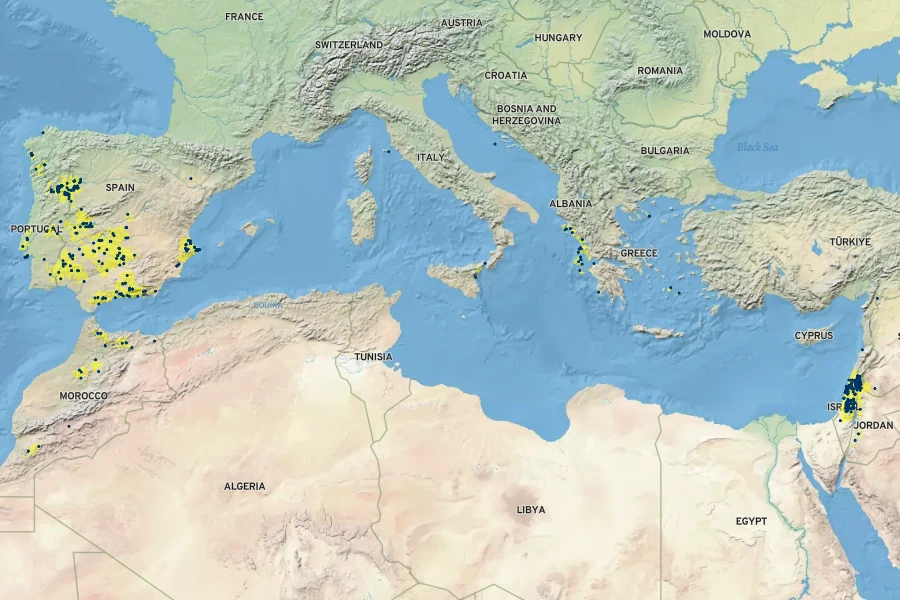
Crambe hispanica, commonly known as Abyssinian Mustard, Spanish Kale, or Colewort, is an annual herb that is native to the Mediterranean region, particularly thriving in rocky slopes and poor soils. It exhibits a moderate growth rate, reaching heights of 2-4 feet (0.6-1.2 meters) and spreading 2-3 feet (0.6-0.9 meters) wide. The plant forms a bushy clump of large, coarse leaves, and during the summer, it produces clusters of small, fragrant white flowers that are attractive to pollinators.
Abyssinian Mustard is valued for its ornamental foliage and delicate flowers, which can add texture and interest to garden borders and cottage gardens. It is also used in wildflower meadows where its drought tolerance and ability to grow in poor soils are advantageous. This plant prefers full sun exposure and can tolerate a range of soil types, from loam to sandy, provided they have medium to fast drainage. It is relatively low-maintenance, requiring minimal water once established. While not commonly known for culinary use, some parts of the plant are edible and can be used similarly to other leafy greens. Gardeners should be aware that in some conditions, it can self-seed prolifically, potentially becoming weedy.CC BY-SA 4.0
Abyssinian Mustard is valued for its ornamental foliage and delicate flowers, which can add texture and interest to garden borders and cottage gardens. It is also used in wildflower meadows where its drought tolerance and ability to grow in poor soils are advantageous. This plant prefers full sun exposure and can tolerate a range of soil types, from loam to sandy, provided they have medium to fast drainage. It is relatively low-maintenance, requiring minimal water once established. While not commonly known for culinary use, some parts of the plant are edible and can be used similarly to other leafy greens. Gardeners should be aware that in some conditions, it can self-seed prolifically, potentially becoming weedy.CC BY-SA 4.0
Plant Description
- Plant Type: Herb
- Height: 2-4 feet
- Width: 2-3 feet
- Growth Rate: Slow, Moderate
- Flower Color: White
- Flowering Season: Spring, Summer
- Leaf Retention:
Growth Requirements
- Sun: Full Sun
- Drainage: Medium, Fast
Common Uses
Drought Tolerant, Edible*Disclaimer: Easyscape's listed plant edibility is for informational use. Always verify the safety and proper identification of any plant before consumption., Low Maintenance
Natural Habitat
Native to rocky slopes and poor soils in the Mediterranean region
Other Names
Common Names: Spanish Kale, Abyssinian-Kale, Hispanic Crambe, Colewort, Crambe
Scientific Names: Crambe hispanica, Cochlearia hispanica, Cochlearia sphaerocarpa, Crambe gracillima, Crambe hispanica f. glabrata, Crambe hispanica var. edentula, Myagrum sphaerocarpum, Rapistrum hispanicum
GBIF Accepted Name: Crambe hispanica