Japanese Horseweed
/
(Conyza japonica)
Japanese Horseweed (Conyza japonica)
/


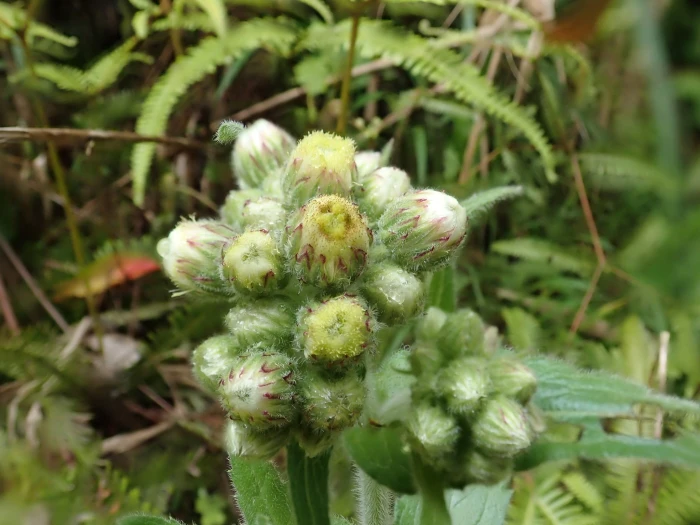

黃美滿
CC BY 4.0

Image By:
黃美滿
Recorded By:
Copyright:
CC BY 4.0
Copyright Notice:
Photo by: 黃美滿 | License Type: CC BY 4.0 | License URL: http://creativecommons.org/licenses/by/4.0/ | Rights Holder: 黃美滿 | Publisher: iNaturalist | Date Created: 2020-04-23T12:29:13-07:00 |


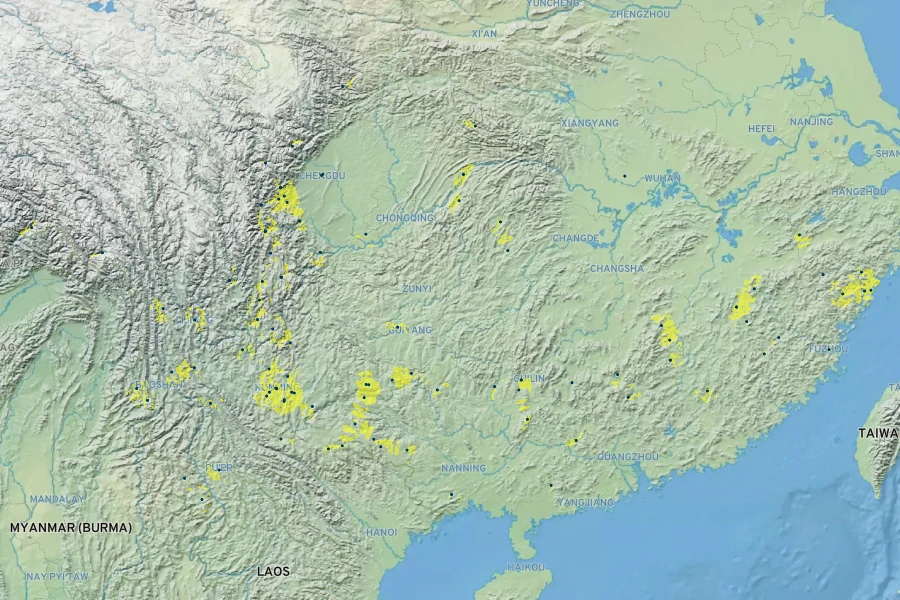



Summary
Conyza japonica, commonly known as Japanese Horseweed or Asian Fleabane, is an annual or biennial herb native to open fields, grasslands, and disturbed sites in Southeast and East Asia. It typically grows rapidly to a height of 1.5-3 feet (0.46-0.9 meters) and a width of 1-1.5 feet (0.3-0.5 meters). The plant has a slender, erect stem with narrow, lance-shaped leaves, and it produces clusters of small, white, daisy-like flowers with yellow centers that bloom in the summer. The flowers are not particularly showy but can add a delicate texture to garden settings.
Japanese Horseweed is known for its ability to colonize disturbed areas quickly, making it useful for erosion control. It is also used in wildflower meadows and naturalistic plantings. In cultivation, it prefers full sun to part shade and adapts to a range of soil types, including clay, loam, or sandy soils, with medium or fast drainage. While it is not commonly grown in ornamental gardens, it can be used in urban environments where low maintenance and resilience are desired. Gardeners should be cautious, and it is advisable to check local regulations before planting.CC BY-SA 4.0
Japanese Horseweed is known for its ability to colonize disturbed areas quickly, making it useful for erosion control. It is also used in wildflower meadows and naturalistic plantings. In cultivation, it prefers full sun to part shade and adapts to a range of soil types, including clay, loam, or sandy soils, with medium or fast drainage. While it is not commonly grown in ornamental gardens, it can be used in urban environments where low maintenance and resilience are desired. Gardeners should be cautious, and it is advisable to check local regulations before planting.CC BY-SA 4.0
Plant Description
- Plant Type: Herb
- Height: 1.5-3 feet
- Width: 1-1.5 feet
- Growth Rate: Rapid
- Flower Color: White
- Flowering Season: Summer
- Leaf Retention: Deciduous
Growth Requirements
- Sun: Full Sun, Part Shade
- Drainage: Fast, Medium
Common Uses
Border Plant, Low Maintenance
Natural Habitat
Open fields, grasslands, and disturbed sites in East Asia
Other Names
Common Names: Asian Fleabane
Scientific Names: Conyza japonica
GBIF Accepted Name: Conyza japonica