Large-Fruited Bushwillow
/
(Combretum zeyheri)
Large-Fruited Bushwillow (Combretum zeyheri)
/


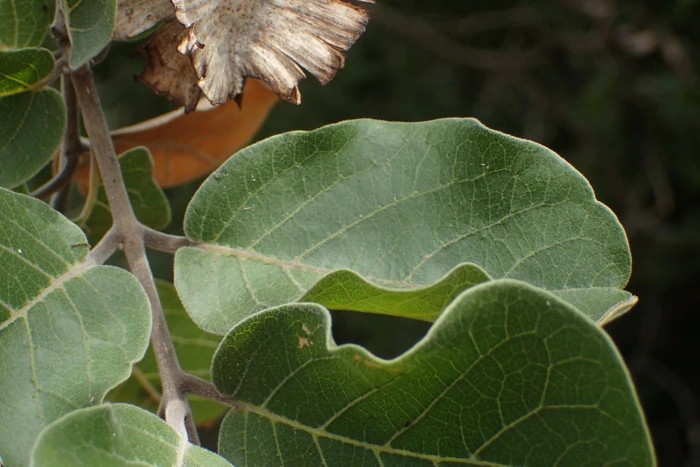

Nicola van Berkel
CC BY-SA 4.0

Image By:
Nicola van Berkel
Recorded By:
Copyright:
CC BY-SA 4.0
Copyright Notice:
Photo by: Nicola van Berkel | License Type: CC BY-SA 4.0 | License URL: http://creativecommons.org/licenses/by-sa/4.0/ | Rights Holder: Nicola van Berkel | Publisher: iNaturalist | Date Created: 2020-03-18T10:52:33-07:00 |


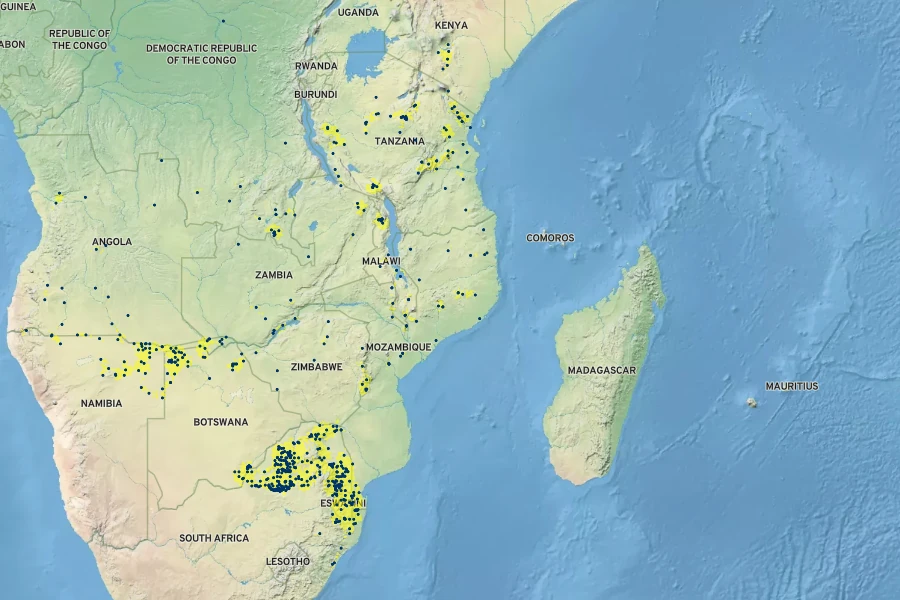



Summary
Combretum zeyheri, commonly known as Large-fruited Bushwillow or Zeyher’s Bushwillow, is a deciduous tree native to the woodland and bushveld habitats of Southern Africa, particularly within savannas and along seasonal rivers. It thrives on a variety of soils, including acidic and sandy substrates. Typically, it reaches heights of 15 to 20 feet (4.5 to 6 meters) with a similar spread, and it is characterized by a rounded canopy. The leaves are simple and elliptical, turning a striking yellow to red before falling. The Large-fruited Bushwillow is notable for its four-winged fruits that appear after the flowering season, which are large and conspicuous, making it a unique ornamental feature.
The tree is valued for its hardy nature and adaptability to different soil types, making it suitable for reforestation projects and as a shade tree in gardens. It is drought-tolerant once established and requires minimal maintenance. The wood is used in traditional crafts, including basket weaving, and the roots have been used in traditional medicine to treat hemorrhoids. In cultivation, it prefers full sun to partial shade and requires well-drained soil. While it is not commonly known for significant pest or disease problems, it can be susceptible to root rot in poorly drained soils. The Kalambo structure, which utilized logs from this species, underscores its historical significance and durability.CC BY-SA 4.0
The tree is valued for its hardy nature and adaptability to different soil types, making it suitable for reforestation projects and as a shade tree in gardens. It is drought-tolerant once established and requires minimal maintenance. The wood is used in traditional crafts, including basket weaving, and the roots have been used in traditional medicine to treat hemorrhoids. In cultivation, it prefers full sun to partial shade and requires well-drained soil. While it is not commonly known for significant pest or disease problems, it can be susceptible to root rot in poorly drained soils. The Kalambo structure, which utilized logs from this species, underscores its historical significance and durability.CC BY-SA 4.0
Plant Description
- Plant Type: Shrub, Tree
- Height: 15-30 feet
- Width: 15-30 feet
- Growth Rate: Moderate
- Flower Color: Yellow
- Flowering Season: Summer
- Leaf Retention: Deciduous
Growth Requirements
- Sun: Full Sun
- Drainage: Medium
Common Uses
Bee Garden, Bird Garden, Drought Tolerant, Low Maintenance
Natural Habitat
Woodland and bushveld habitats of Southern Africa
Other Names
Common Names: Zeyher’s Bushwillow
Scientific Names: Combretum zeyheri, Combretum antunesii, Combretum bragae, Combretum calocarpum, Combretum calocarpum, Combretum calocarpum, Combretum dilembense, Combretum dilembense, Combretum glandulosum
GBIF Accepted Name: Combretum zeyheri