Pitseed Goosefoot
/
(Chenopodium berlandieri var. boscianum)
Pitseed Goosefoot (Chenopodium berlandieri var. boscianum)
/





Image By:
Recorded By:
Copyright:
Copyright Notice:




Summary
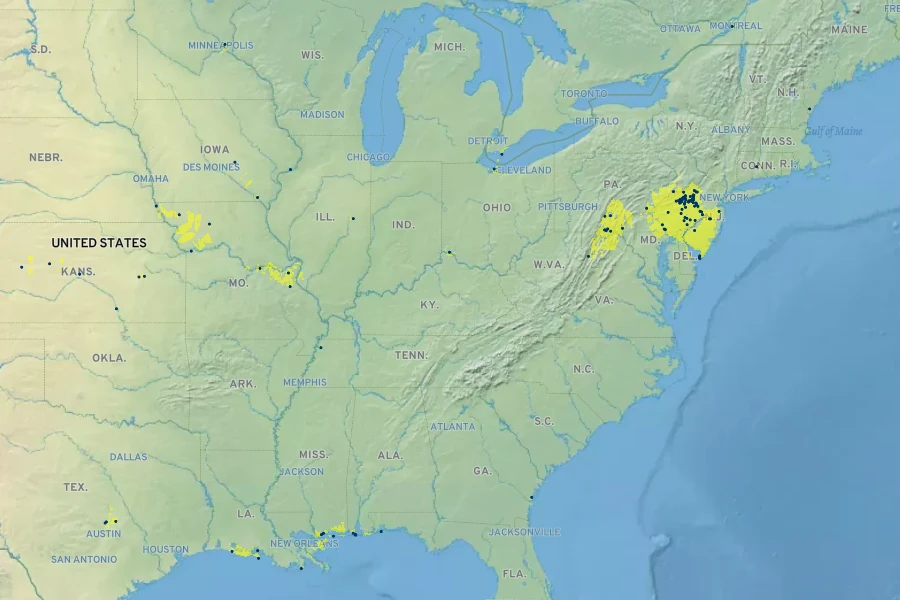
Chenopodium berlandieri var. boscianum, commonly known as Pitseed Goosefoot or Huauzontle, is an annual herb that is native to a variety of habitats in North America, including open woodlands, grasslands, and along streams and rivers. It is also commonly found in disturbed areas such as fields and roadsides. This plant typically grows rapidly to a height of 1-4 feet (0.3-1.2 meters) and a width of 1-2 feet (0.3-0.6 meters). It has green, inconspicuous flowers that bloom in the summer, which are not particularly showy but are of ecological importance as they attract beneficial insects.
Pitseed Goosefoot is valued for its edible seeds and leaves, which are used in traditional Mexican cuisine, particularly in a dish called ’huauzontles’. It is also used as a green manure crop due to its ability to accumulate nutrients. In cultivation, it does best in full sun or part shade and is adaptable to a range of soil types, including clay, loam, or sandy soils, with medium or fast drainage. While it can be a useful plant, Chenopodium berlandieri var. boscianum can spread outside its native range, so caution is advised when planting it in non-native areas.CC BY-SA 4.0
Pitseed Goosefoot is valued for its edible seeds and leaves, which are used in traditional Mexican cuisine, particularly in a dish called ’huauzontles’. It is also used as a green manure crop due to its ability to accumulate nutrients. In cultivation, it does best in full sun or part shade and is adaptable to a range of soil types, including clay, loam, or sandy soils, with medium or fast drainage. While it can be a useful plant, Chenopodium berlandieri var. boscianum can spread outside its native range, so caution is advised when planting it in non-native areas.CC BY-SA 4.0
Plant Description
- Plant Type: Herb
- Height: 1-4 feet
- Width: 1-2 feet
- Growth Rate: Rapid
- Flower Color: N/A
- Flowering Season: Summer, Fall
- Leaf Retention:
Growth Requirements
- Sun: Full Sun, Part Shade
- Drainage: Medium, Fast
Common Uses
Erosion Control, Low Maintenance
Natural Habitat
Native to a variety of habitats including open woodlands, grasslands, and along streams and rivers
Other Names
Common Names: Huauzontle
Scientific Names: Chenopodium berlandieri var. boscianum, Botrys boscianus, Chenopodium album, Chenopodium album, Chenopodium album var. boscianum, Chenopodium berlandieri subsp. boscianum, Chenopodium boscianum
GBIF Accepted Name: Chenopodium berlandieri var. boscianum