Big Sandbur
/
(Cenchrus myosuroides)
Big Sandbur (Cenchrus myosuroides)
/


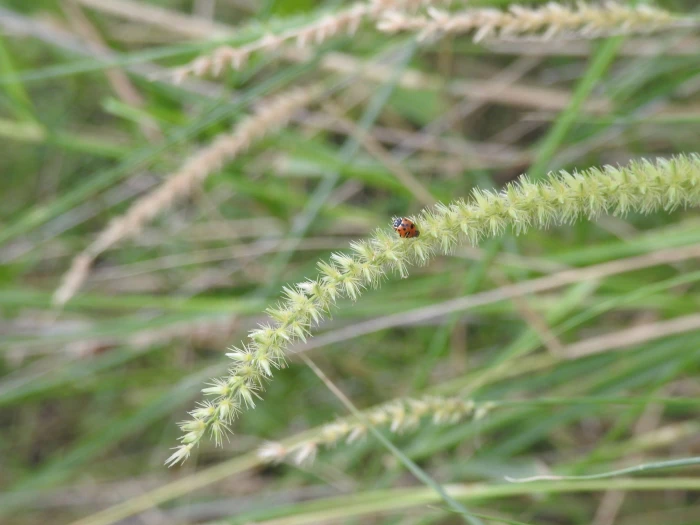

© María Regina Silva
CC BY 4.0

Image By:
© María Regina Silva
Recorded By:
Copyright:
CC BY 4.0
Copyright Notice:
Photo by: © María Regina Silva | License Type: CC BY 4.0 | License URL: http://creativecommons.org/licenses/by/4.0/ | Uploader: marreginas | Publisher: iNaturalist |


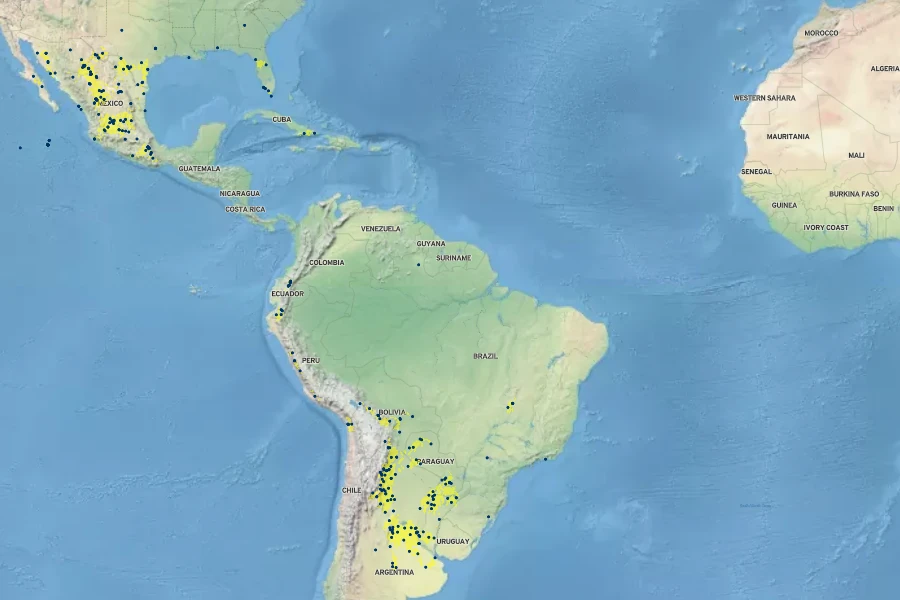



Summary
Cenchrus myosuroides, commonly known as Big Sandbur, is a perennial grass that is native to the Tropical Americas. This species typically grows to a height of 1 to 2 feet (0.3 to 0.6 meters) and has a clumping growth habit. The plant is characterized by its spiny burs that can adhere to clothing and fur, which aids in seed dispersal. The burs are produced following the inconspicuous flowering season in late summer.
Big Sandbur is not commonly cultivated due to its spiny burs, which are considered a nuisance. However, it is sometimes used for soil stabilization in sandy areas. It prefers full sun and can tolerate drought conditions, making it suitable for xeriscaping. It thrives in sandy, well-drained soils and requires minimal maintenance once established. There are no popular garden cultivars of this species due to its less desirable traits. Potential problems include its tendency to spread in certain areas, outcompeting native vegetation.CC BY-SA 4.0
Big Sandbur is not commonly cultivated due to its spiny burs, which are considered a nuisance. However, it is sometimes used for soil stabilization in sandy areas. It prefers full sun and can tolerate drought conditions, making it suitable for xeriscaping. It thrives in sandy, well-drained soils and requires minimal maintenance once established. There are no popular garden cultivars of this species due to its less desirable traits. Potential problems include its tendency to spread in certain areas, outcompeting native vegetation.CC BY-SA 4.0
Plant Description
- Plant Type: Grass
- Height: 2-3 feet
- Width: 1-2 feet
- Growth Rate: Moderate
- Flower Color: N/A
- Flowering Season: Spring
- Leaf Retention: Deciduous
Growth Requirements
- Sun: Full Sun
- Drainage: Medium
Common Uses
Erosion Control, Low Maintenance
Natural Habitat
Sandy soils in open areas such as fields, roadsides, and coastal plains
Other Names
Common Names:
Scientific Names: Cenchrus myosuroides, Cenchropsis ekmaniana, Cenchropsis myosuroides, Cenchropsis myosuroides var. longiseta, Cenchrus alopecuroides, Cenchrus ekmanianus, Cenchrus elliotii, Cenchrus myosuroides var. longisetus, Cenchrus myosuroides var. myosuroides, Cenchrus scabridus
GBIF Accepted Name: Cenchrus myosuroides