Common Hackberry
/
(Celtis occidentalis)
Common Hackberry (Celtis occidentalis)
/


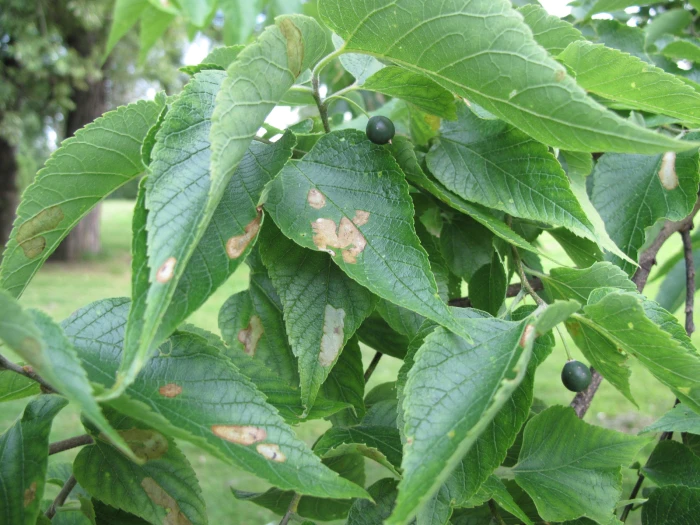

Ayotte, Gilles, 1948-
CC BY-SA 4.0






Summary
Common Hackberry is valued for its adaptability to a range of urban conditions, including air pollution and poor soils, making it a suitable choice for street or landscape tree plantings. It exhibits a handsome round-topped head and can live for 150 to 200 years under ideal circumstances. The tree’s berries are not only ornamental but also provide food for birds. In cultivation, it is tolerant of various light conditions, from full sun to part shade, and can grow in rich, moist soils as well as gravelly or rocky hillsides. It has fibrous roots and a rapid growth rate. Hackberry is relatively low-maintenance and thrives in soils with varying drainage capabilities.CC BY-SA 4.0
Plant Description
- Plant Type: Tree
- Height: 40-60 feet
- Width: 40-60 feet
- Growth Rate: Rapid
- Flower Color: N/A
- Flowering Season: Spring
- Leaf Retention: Deciduous
Growth Requirements
- Sun: Full Sun, Part Shade
- Drainage: Fast, Medium, Slow
Common Uses
Bee Garden, Bird Garden, Butterfly Garden, Deer Resistant, Drought Tolerant, Edible*Disclaimer: Easyscape's listed plant edibility is for informational use. Always verify the safety and proper identification of any plant before consumption., Fire Resistant, Low Maintenance, Salt Tolerant, Street Planting
Natural Habitat
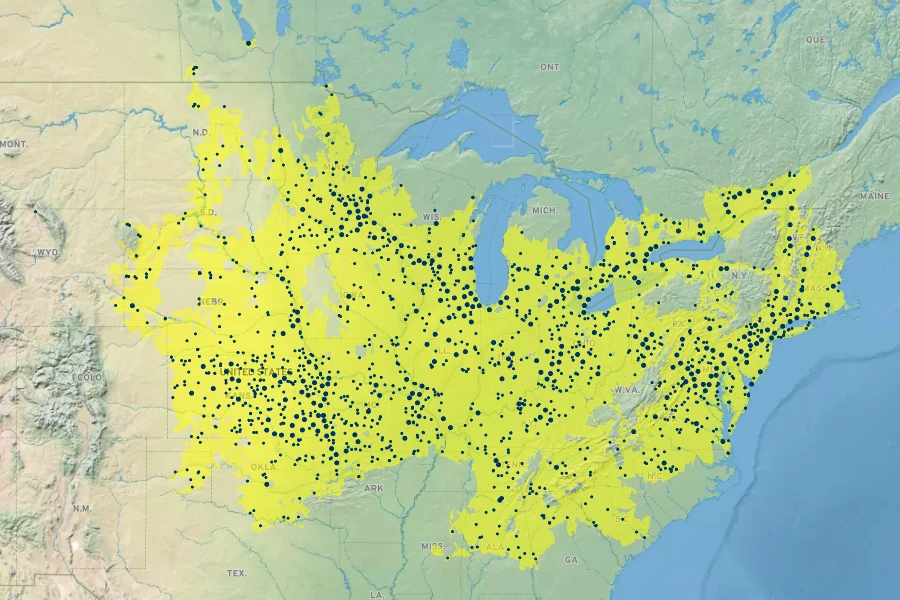
Variety of habitats including floodplains, riverbanks, and forest margins
Other Names
Common Names: Northern Hackberry, Beaverwood, False Elm, Nettle Tree, Nettletree, Sugarberry, American Hackberry, Mississippi Hackberry, Hackberry, Vals Witstinkhout
Scientific Names: Celtis occidentalis, Celtis pumila, Celtis crassifolia, Celtis occidentalis var. pumila, Celtis canina, Celtis occidentalis var. crassifolia, Celtis occidentalis var. canina, Celtis occidentalis var. occidentalis, Celtis occidentalis var. cordata, Celtis cordata
GBIF Accepted Name: Celtis occidentalis L.