Turkish Wartycabbage
/
(Bunias orientalis)
Turkish Wartycabbage (Bunias orientalis)
/


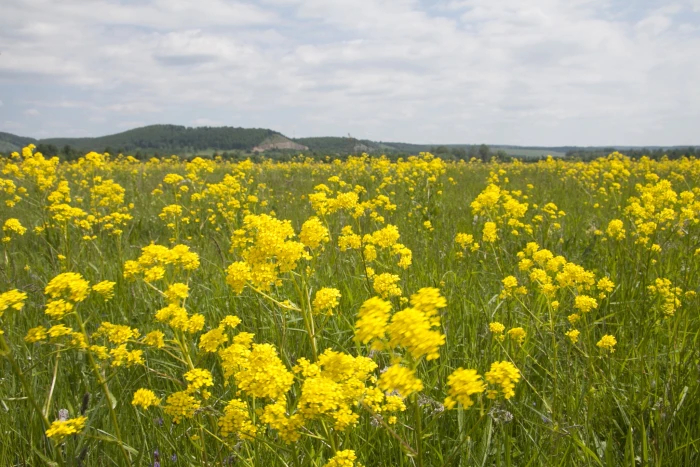

Полина Полежанкина
CC BY 4.0

Image By:
Полина Полежанкина
Recorded By:
Copyright:
CC BY 4.0
Copyright Notice:
Photo by: Полина Полежанкина | License Type: CC BY 4.0 | License URL: http://creativecommons.org/licenses/by/4.0/ | Rights Holder: Полина Полежанкина | Publisher: iNaturalist | Date Created: 2020-06-04T12:28:30-07:00 |





Summary
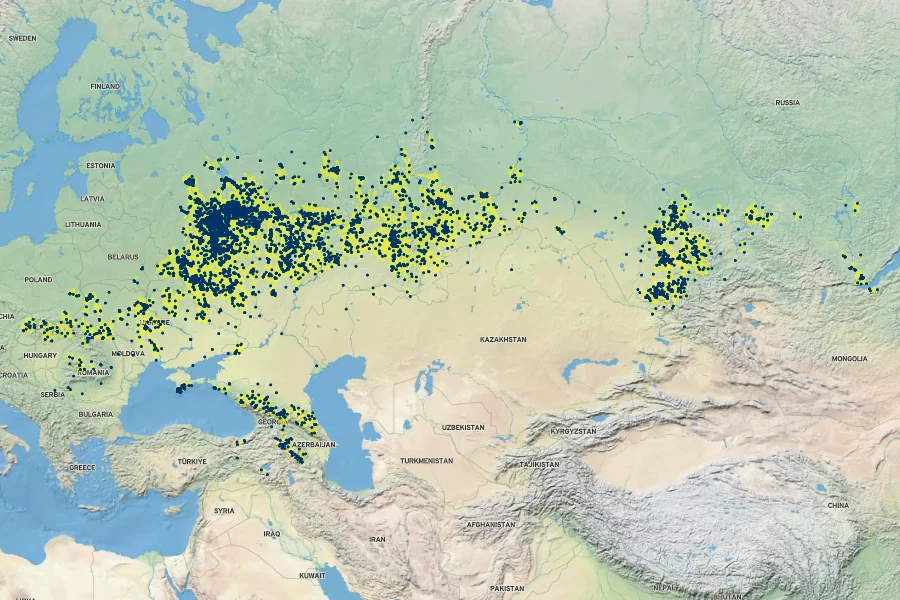
Bunias orientalis, commonly known as Turkish Wartycabbage or Turkish Rocket, is a perennial herb that is native to southeastern Europe and parts of Asia, particularly thriving in disturbed areas, roadsides, and fallow fields. It typically grows to a height of 30-100 cm (1-3 feet) and spreads about the same in width. The plant has a robust, upright form with coarse, hairy leaves and small, yellow flowers that bloom from May to July. The flowers are somewhat showy and are followed by distinctive warty seed pods.
Turkish Wartycabbage is valued for its edible leaves and shoots, which can be used in salads or cooked as a vegetable. It is also appreciated for its hardiness and ability to thrive in poor soils, making it a potential candidate for soil stabilization projects. In cultivation, it requires minimal care, tolerating drought and a range of soil conditions, though it prefers full sun to partial shade. It is not commonly used in ornamental gardening due to its invasive nature outside its native range. It is invasive across central Europe and parts of North America, establishing in disturbed soils and meadows.CC BY-SA 4.0
Turkish Wartycabbage is valued for its edible leaves and shoots, which can be used in salads or cooked as a vegetable. It is also appreciated for its hardiness and ability to thrive in poor soils, making it a potential candidate for soil stabilization projects. In cultivation, it requires minimal care, tolerating drought and a range of soil conditions, though it prefers full sun to partial shade. It is not commonly used in ornamental gardening due to its invasive nature outside its native range. It is invasive across central Europe and parts of North America, establishing in disturbed soils and meadows.CC BY-SA 4.0
Plant Description
- Plant Type: Herb
- Height: 2-2.25 feet
- Width: 1-3 feet
- Growth Rate: Moderate
- Flower Color: Yellow
- Flowering Season: Summer
- Leaf Retention: Semi-deciduous
Growth Requirements
- Sun: Full Sun, Part Shade
- Drainage: Medium, Fast
Common Uses
Bee Garden, Border Plant, Edible*Disclaimer: Easyscape's listed plant edibility is for informational use. Always verify the safety and proper identification of any plant before consumption.
Natural Habitat
Native to disturbed areas, roadsides, and fallow fields in southeastern Europe and parts of Asia
Other Names
Common Names: Hill Mustard, Turkish Rocket
Scientific Names: Bunias orientalis, Bunias orientalis var. winterli, Bunias perennis, Bunias winterli, Crucifera laelia, Laelia orientalis, Laelia orientalis, Laelia podocarpa, Laelia podocarpa
GBIF Accepted Name: Bunias orientalis