Siberian Bugloss
/
(Brunnera macrophylla)
Siberian Bugloss (Brunnera macrophylla)
/


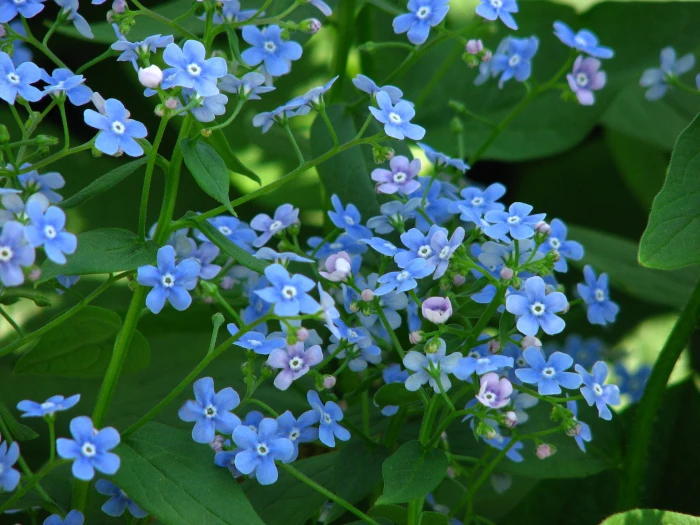

Kor!An (Андрей Корзун)
CC BY-SA 3.0






Summary
Siberian Bugloss is highly regarded for its ability to provide lush ground cover in shady areas, with its foliage remaining ornamental from spring until fall. It is an excellent choice for woodland gardens, shaded borders, and underplanting beneath taller plants. While it prefers consistently moist soil, it is relatively tolerant of different soil types as long as they provide medium drainage. It thrives in part shade but can tolerate full shade, making it versatile for various garden situations. Siberian Bugloss can self-seed and spread to other areas of the garden, which can be both a benefit for naturalizing and a consideration for maintenance. Division of clumps in early fall can help manage its spread and rejuvenate older plants.CC BY-SA 4.0
Plant Description
- Plant Type: Herb
- Height: 1-1.5 feet
- Width: 1.5-2.5 feet
- Growth Rate: Moderate
- Flower Color: Blue, White
- Flowering Season: Spring
- Leaf Retention: Deciduous
Growth Requirements
- Sun: Part Shade
- Drainage: Medium
Common Uses
Bank Stabilization, Bee Garden, Border Plant, Deer Resistant, Groundcover, Low Maintenance, Potted Plant, Rabbit Resistant, Rock Garden, Showy Flowers, Street Planting, Water Garden
Natural Habitat
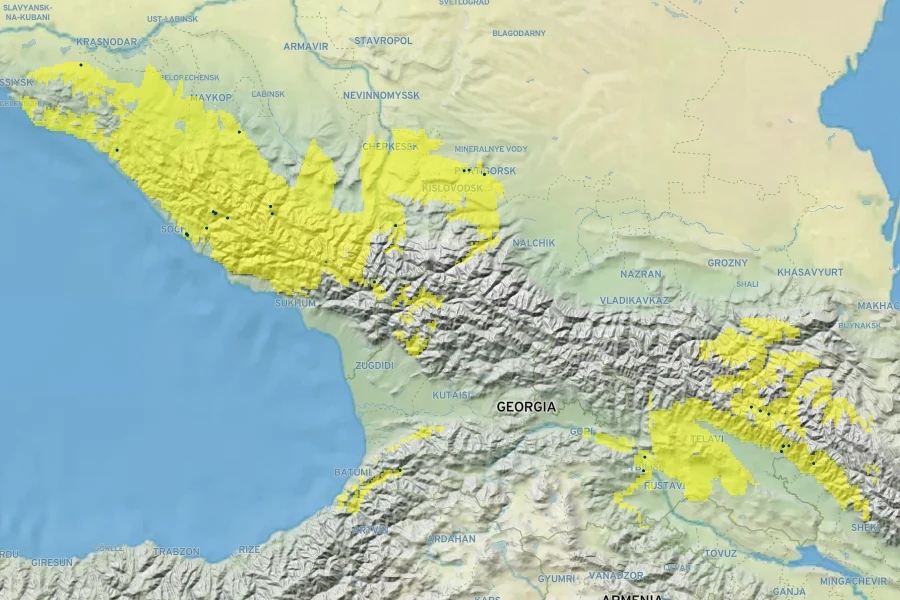
native to woodland areas in Turkey and the Caucasus region
Other Names
Common Names: Great Forget-Me-Not, Heartleaf, Largeleaf Brunnera, Kærmindesøster, Kaukasus-Vergißmeinnicht, Forglemmegeisøster, Minneblomsøster, Kaukasisk Förgätmigej
Scientific Names: Brunnera macrophylla, Anchusa myosotidiflora, Myosotis macrophylla, Anchusa myosotidifolia, Brunnera macrophylla var. glabrescens, Brunnera macrophylla var. grandiflora, Brunnera myosotidiflora
GBIF Accepted Name: Brunnera macrophylla (Adams) I.M.Johnst.