Wooly Locoweed
/
(Astragalus mollissimus)
Wooly Locoweed (Astragalus mollissimus)
/


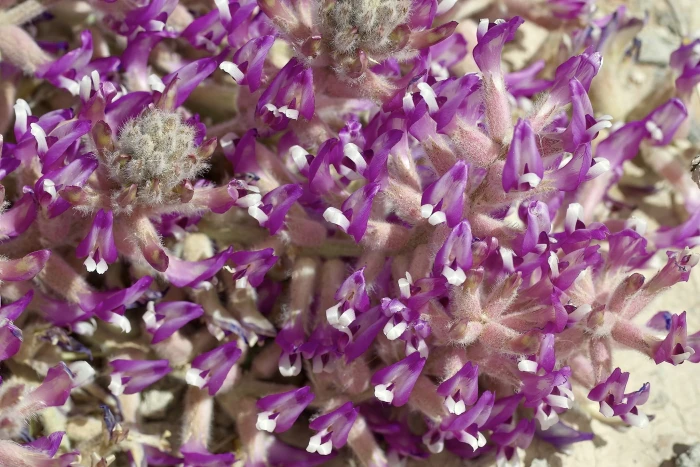

Michelle W.
CC BY 4.0

Image By:
Michelle W.
Recorded By:
Copyright:
CC BY 4.0
Copyright Notice:
Photo by: Michelle W. | License Type: CC BY 4.0 | License URL: http://creativecommons.org/licenses/by/4.0/ | Rights Holder: Michelle W. | Publisher: iNaturalist | Date Created: 2024-03-25T13:44:53-07:00 |





Summary
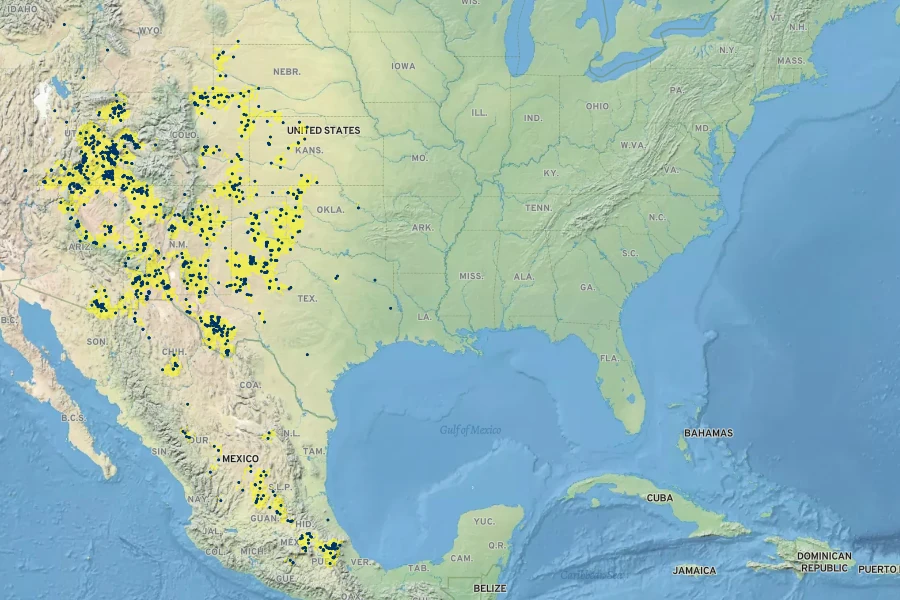
Astragalus mollissimus, commonly known as Wooly Locoweed, is a perennial herb that is native to a variety of habitats including prairies, open woodlands, and grasslands across the western/central United States and Mexico. It typically grows 2 to 34 inches tall and is characterized by its hairy stems and leaves, which contribute to its common name. The plant produces clusters of pink to purple flowers from March to August, which are followed by distinctive inflated seed pods. The flowers are modest in size but can be quite numerous, creating a noticeable display when in bloom.
Wooly Locoweed is known for its hardiness and drought tolerance, making it a plant of interest for xeriscaping and native plant gardens in arid regions. However, it is not commonly used in cultivation due to its toxicity; it contains the alkaloid swainsonine, which can cause nervous system disorders in livestock. In natural settings, it serves as a cautionary example for grazing management. Wooly Locoweed prefers well-drained soils and thrives in full sun to partial shade. While it is not typically afflicted by diseases, its toxic nature is a significant concern, and it should not be planted where animals graze.CC BY-SA 4.0
Wooly Locoweed is known for its hardiness and drought tolerance, making it a plant of interest for xeriscaping and native plant gardens in arid regions. However, it is not commonly used in cultivation due to its toxicity; it contains the alkaloid swainsonine, which can cause nervous system disorders in livestock. In natural settings, it serves as a cautionary example for grazing management. Wooly Locoweed prefers well-drained soils and thrives in full sun to partial shade. While it is not typically afflicted by diseases, its toxic nature is a significant concern, and it should not be planted where animals graze.CC BY-SA 4.0
Plant Description
- Plant Type: Herb
- Height: 0.7-2 feet
- Width: 1-2 feet
- Growth Rate: Moderate
- Flower Color: Purple
- Flowering Season: Spring
- Leaf Retention: Deciduous
Growth Requirements
- Sun: Full Sun
- Drainage: Fast, Medium
Common Uses
Bee Garden, Bird Garden, Butterfly Garden, Deer Resistant, Drought Tolerant, Low Maintenance
Natural Habitat
Native to prairies, open woodlands, and grasslands across the western United States
Other Names
Common Names: Velvet locoweed, Purple locoweed, Woolly Loco, Woolly Locoweed, Woolly Milkvetch
Scientific Names: Astragalus mollissimus, Astragalus bigelowii, Astragalus bigelowii var. macdougalii, Astragalus bigelowii var. thompsoniae, Tragacantha bigelowii, Tragacantha mollissima, Tragacantha thomsonii
GBIF Accepted Name: Astragalus mollissimus