Sticky Leaf Arnica
/
(Arnica ovata)
Sticky Leaf Arnica (Arnica ovata)
/


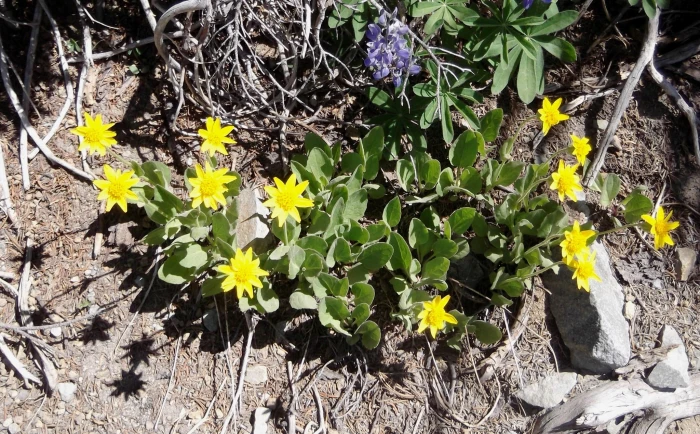

J Brew
CC BY-SA 4.0

Image By:
J Brew
Recorded By:
Copyright:
CC BY-SA 4.0
Copyright Notice:
Photo by: J Brew | License Type: CC BY-SA 4.0 | License URL: http://creativecommons.org/licenses/by-sa/4.0/ | Rights Holder: J Brew | Publisher: iNaturalist | Date Created: 2012-08-04T11:39:59-07:00 |





Summary
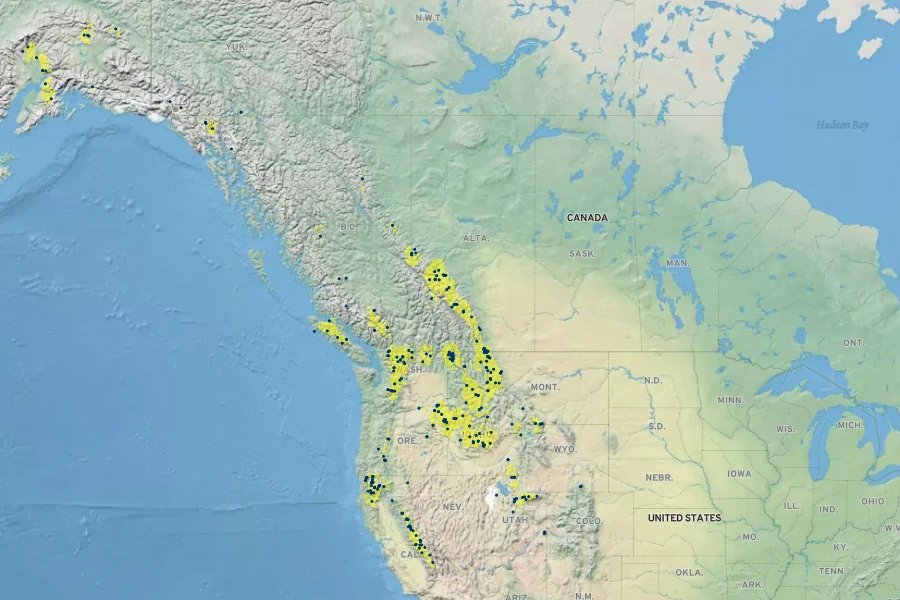
Arnica ovata, commonly known as sticky leaf arnica, is a perennial herb native to the mountainous regions of western North America, including Alaska, Washington, Oregon, California, Nevada, Utah, Idaho, Montana, Wyoming, and Colorado. It typically grows up to 20 inches tall and features lance-shaped, sticky leaves. The plant produces vibrant yellow flower heads from late spring to early summer, which consist of both ray and disc florets and are highly attractive to pollinators. The flowers are known for their showiness and are often used in cut flower arrangements.
Sticky leaf arnica is valued for its medicinal properties, particularly in homeopathic remedies for bruises, sprains, and muscle pain. It is also appreciated for its ease of maintenance and ability to attract beneficial insects. In cultivation, it is used in wildflower gardens, borders, and as part of naturalistic plantings. It prefers full sun to partial shade and well-drained soils, mimicking its native alpine and subalpine meadow conditions. While generally disease-resistant, it can be susceptible to fungal issues in overly moist conditions. It is important to note that Arnica ovata should not be ingested due to its toxicity when taken internally.CC BY-SA 4.0
Sticky leaf arnica is valued for its medicinal properties, particularly in homeopathic remedies for bruises, sprains, and muscle pain. It is also appreciated for its ease of maintenance and ability to attract beneficial insects. In cultivation, it is used in wildflower gardens, borders, and as part of naturalistic plantings. It prefers full sun to partial shade and well-drained soils, mimicking its native alpine and subalpine meadow conditions. While generally disease-resistant, it can be susceptible to fungal issues in overly moist conditions. It is important to note that Arnica ovata should not be ingested due to its toxicity when taken internally.CC BY-SA 4.0
Plant Description
- Plant Type: Herb
- Height: 1-2 feet
- Width: 0.5-1 feet
- Growth Rate: Moderate
- Flower Color: Yellow
- Flowering Season: Summer, Fall
- Leaf Retention: Deciduous
Growth Requirements
- Sun: Full Sun, Part Shade
- Drainage: Medium
Common Uses
Bee Garden, Butterfly Garden, Low Maintenance
Natural Habitat
Alpine and subalpine meadows in mountainous regions of western North America
Other Names
Common Names: Ovate Arnica, Rayless Arnica, Sticky-Leaved Arnica, Diverse Arnica, Sticky Arnica
Scientific Names: Arnica ovata, Arnica diversifolia, Arnica latifolia var. viscidula
GBIF Accepted Name: Arnica ovata