Pygmy Pussytoes
/
(Antennaria monocephala)
Pygmy Pussytoes (Antennaria monocephala)
/


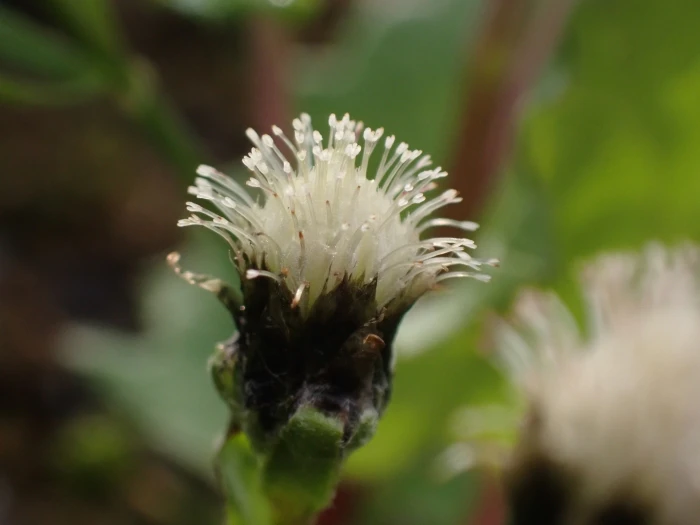

Jack Bindernagel
CC BY 4.0

Image By:
Jack Bindernagel
Recorded By:
Copyright:
CC BY 4.0
Copyright Notice:
Photo by: Jack Bindernagel | License Type: CC BY 4.0 | License URL: http://creativecommons.org/licenses/by/4.0/ | Rights Holder: Jack Bindernagel | Publisher: iNaturalist | Date Created: 2023-07-27T11:40:20-07:00 |





Summary
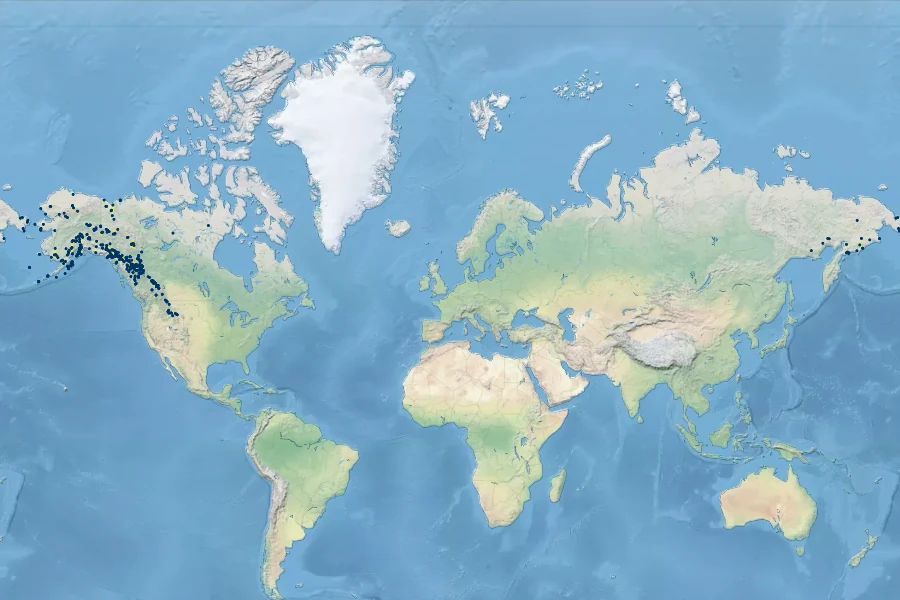
Antennaria monocephala, commonly known as Pygmy Pussytoes, is a perennial herb adapted to the harsh conditions of arctic and alpine tundra across North America and the Chukotka Peninsula of Russia. It is a low-growing plant, typically reaching up to 6 inches in height, with a mat-forming habit that helps it survive in its native windy and cold environments. Pygmy Pussytoes produce small, inconspicuous flowers with male and female blooms on separate plants, a condition known as dioecy. In some areas, populations are gynodioecious, consisting entirely of female plants, with occasional hermaphroditic individuals.
This species is valued for its resilience and ability to thrive in poor, rocky soils, making it suitable for rock gardens and as a ground cover in cold, challenging climates. It requires minimal maintenance once established. Pygmy Pussytoes prefer full sun to partial shade and well-drained soils. They are drought-tolerant and can be used to stabilize soil in erosion-prone areas. While not known for showy flowers, their silvery foliage and form can add texture to garden compositions. There are no significant disease or pest issues associated with Antennaria monocephala, but it may struggle in hot, humid climates or overly wet conditions.CC BY-SA 4.0
This species is valued for its resilience and ability to thrive in poor, rocky soils, making it suitable for rock gardens and as a ground cover in cold, challenging climates. It requires minimal maintenance once established. Pygmy Pussytoes prefer full sun to partial shade and well-drained soils. They are drought-tolerant and can be used to stabilize soil in erosion-prone areas. While not known for showy flowers, their silvery foliage and form can add texture to garden compositions. There are no significant disease or pest issues associated with Antennaria monocephala, but it may struggle in hot, humid climates or overly wet conditions.CC BY-SA 4.0
Plant Description
- Plant Type: Herb
- Height: 0.5-0.5 feet
- Width: 0.5-1 feet
- Growth Rate: Slow
- Flower Color: White
- Flowering Season: Summer
- Leaf Retention: Deciduous
Growth Requirements
- Sun: Full Sun, Part Shade
- Drainage: Medium, Fast
Common Uses
Low Maintenance, Rock Garden
Natural Habitat
Arctic and alpine tundra
Other Names
Common Names: Single-headed Pussytoes, Single-headed Daisy, One-Headed Everlasting, One-Headed Pussytoes
Scientific Names: Antennaria monocephala, Antennaria monocephala var. monocephala
GBIF Accepted Name: Antennaria monocephala