Low Serviceberry
/
(Amelanchier spicata)
Low Serviceberry (Amelanchier spicata)
/


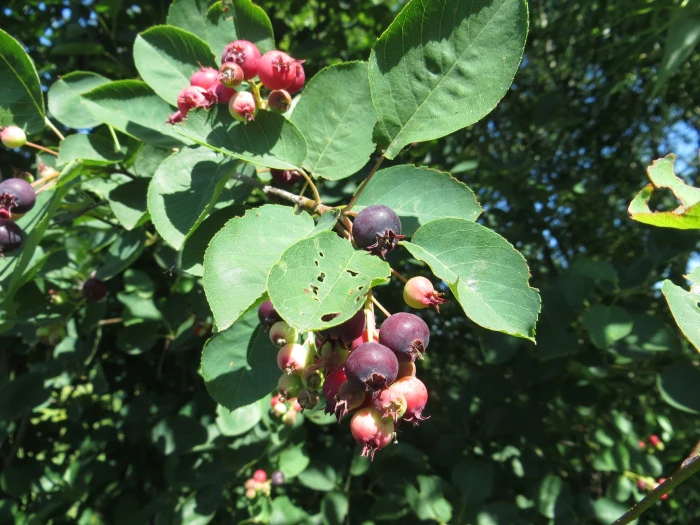

© Andrey Sdobnikov
CC BY 4.0






Summary
Low Serviceberry is valued for its multi-season interest, including spring blossoms, edible fruit, and bright fall foliage. It is well-suited for naturalistic plantings, as a border shrub, or in wildlife gardens. It thrives in full sun to part shade and prefers moist, well-drained soils but is adaptable to various conditions, including dry sites once established. While generally low-maintenance, it can be susceptible to rust and leaf spot diseases. It has become invasive in Scandinavia.CC BY-SA 4.0
Plant Description
- Plant Type: Shrub
- Height: 3-5 feet
- Width: 3-5 feet
- Growth Rate: Moderate
- Flower Color: White
- Flowering Season: Spring
- Leaf Retention: Deciduous
Growth Requirements
- Sun: Full Sun, Part Shade
- Drainage: Slow, Medium, Fast
Common Uses
Bee Garden, Bird Garden, Butterfly Garden, Deer Resistant, Drought Tolerant, Edible*Disclaimer: Easyscape's listed plant edibility is for informational use. Always verify the safety and proper identification of any plant before consumption., Groundcover, Hedges, Hummingbird Garden, Street Planting
Natural Habitat
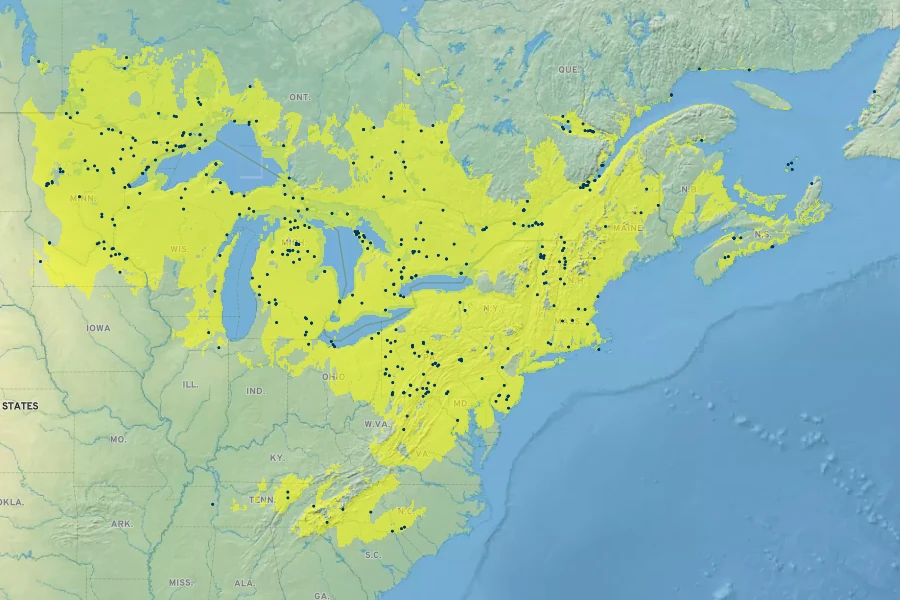
Open woodlands, forest edges, and wet meadows in the Eastern USA and Canada
Other Names
Common Names: Garden Shadblow, Running Serviceberry, Dwarf Serviceberry, Thicket Shadbush, Low Juneberry, Aks-Bærmispel, Besen-Felsenbirne, Ausläufertreibende Felsenbirne, Ährige Felsenbirne, Amélanchier
Scientific Names: Amelanchier spicata, Amelanchier spicata var. spicata, Amelanchier canadensis var. spicata, Amelancus spicata
GBIF Accepted Name: Amelanchier spicata (Lam.) K.Koch