Lemmon’s Onion
/
(Allium lemmonii)
Lemmon’s Onion (Allium lemmonii)
/


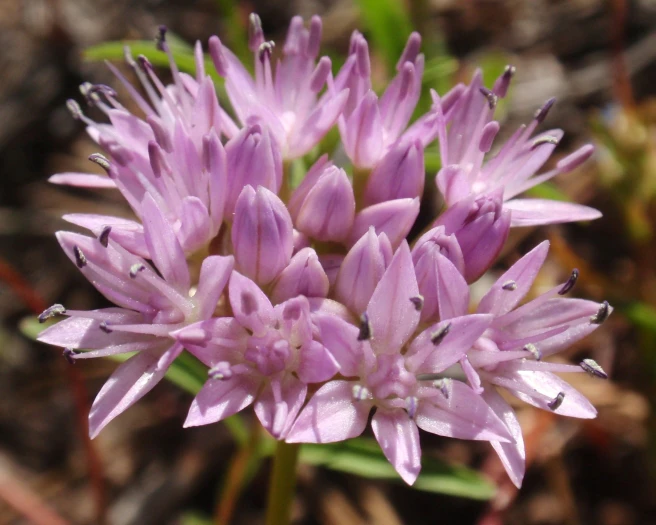

© Tom Hilton
CC BY 4.0

Image By:
© Tom Hilton
Recorded By:
Copyright:
CC BY 4.0
Copyright Notice:
Photo by: © Tom Hilton | License Type: CC BY 4.0 | License URL: http://creativecommons.org/licenses/by/4.0/ | Uploader: tomhilton | Publisher: iNaturalist |





Summary
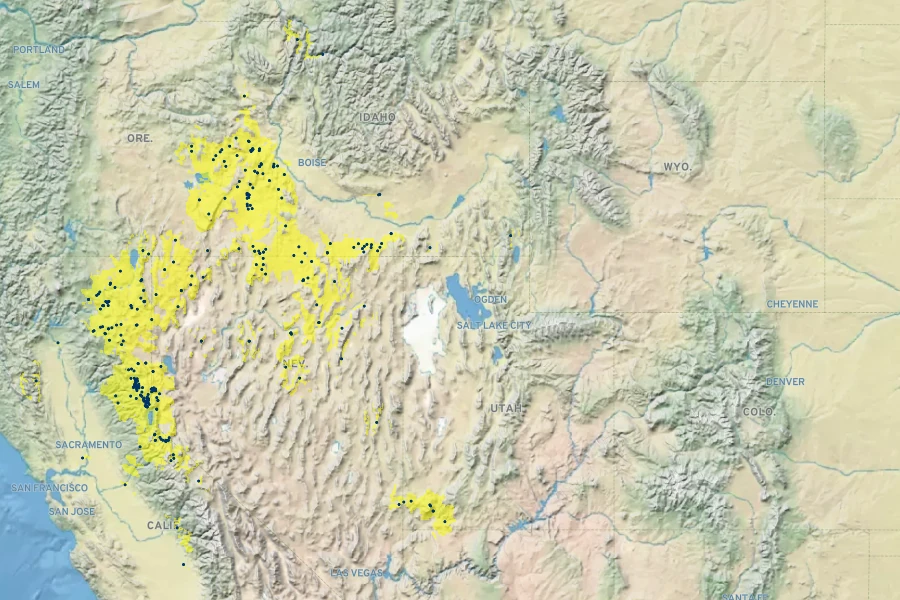
Allium lemmonii, commonly known as Lemmon’s onion, is a perennial herb native to the high desert and mountain meadows within the Great Basin of the western United States, specifically in Utah, Nevada, northern and eastern California, eastern Oregon, and southwestern Idaho. It is typically found at elevations of 3,900–6,200 feet. This species forms a bulb approximately 0.6-0.8 inches wide and produces a short, flattened stem that can reach up to 8 inches in height. The inflorescence is a dense umbel of 10 to 40 bell-shaped flowers, blooming from late spring to early summer. The flowers range in color from white to pink and are accented with purple or yellow stamens and bright yellow pollen, creating a striking display.
Lemmon’s onion is valued for its ornamental flowers and its ability to thrive in dry, clay soils, making it suitable for rock gardens, native plant gardens, and xeriscaping. It is drought-tolerant once established, requiring minimal water, and prefers full sun to light shade. While it is not commonly used in culinary applications due to its small size, it is an important nectar source for pollinators in its native habitat. Gardeners should note that Allium lemmonii is rarely affected by pests or diseases, but it can be sensitive to overwatering and poor drainage.CC BY-SA 4.0
Lemmon’s onion is valued for its ornamental flowers and its ability to thrive in dry, clay soils, making it suitable for rock gardens, native plant gardens, and xeriscaping. It is drought-tolerant once established, requiring minimal water, and prefers full sun to light shade. While it is not commonly used in culinary applications due to its small size, it is an important nectar source for pollinators in its native habitat. Gardeners should note that Allium lemmonii is rarely affected by pests or diseases, but it can be sensitive to overwatering and poor drainage.CC BY-SA 4.0
Plant Description
- Plant Type: Herb, Bulb
- Height: 1-1.5 feet
- Width: 0.5-1 feet
- Growth Rate: Moderate
- Flower Color: Pink, White
- Flowering Season: Spring, Summer
- Leaf Retention: Deciduous
Growth Requirements
- Sun: Full Sun
- Drainage: Fast
Common Uses
Butterfly Garden, Drought Tolerant, Edible*Disclaimer: Easyscape's listed plant edibility is for informational use. Always verify the safety and proper identification of any plant before consumption., Low Maintenance, Rock Garden
Natural Habitat
High desert and mountain meadows within the Great Basin
Other Names
Common Names: Lemmon’s Onion, Wild Onion
Scientific Names: Allium lemmonii, Allium anceps var. lemmonii, Allium incisum, Allium scissum
GBIF Accepted Name: Allium lemmonii