Biennial Hollyhock
/
(Alcea biennis)
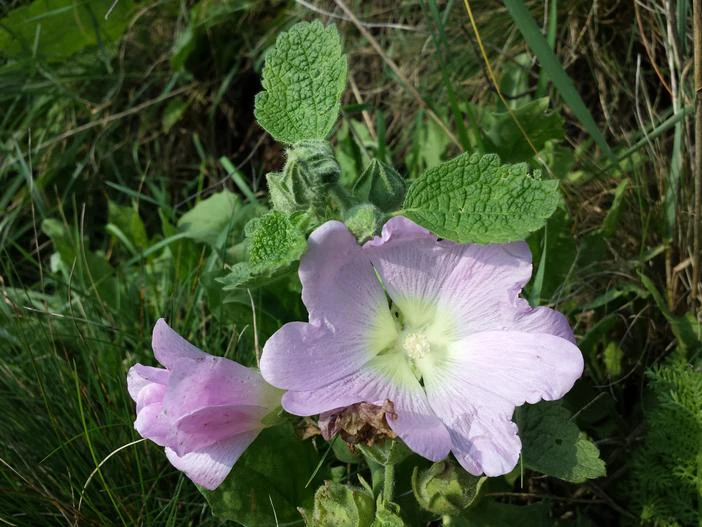
Biennial Hollyhock (Alcea biennis)
/



Stefan.lefnaer
CC BY-SA 3.0 at

Image By:
Stefan.lefnaer
Recorded By:
Copyright:
CC BY-SA 3.0 at
Copyright Notice:
Photo by: Stefan.lefnaer | License Type: CC BY-SA 3.0 at | License URL: https://creativecommons.org/licenses/by-sa/3.0/at/deed.en | Uploader: Stefan.lefnaer | Publisher: Wikipedia Commons





Summary
Alcea biennis, commonly known as biennial hollyhock, is a herbaceous biennial plant native to the temperate regions of Asia and Europe, particularly found in open woodlands and scrub areas. It can reach a height of 5 to 8 feet (1.5 to 2.4 meters) with a spread of 18 to 24 inches (45 to 60 centimeters). The plant features large, showy flowers that bloom in a variety of colors including white, pink, purple, and red during its second year of growth, typically in the summer months. The flowers are arranged on tall spikes and are highly attractive to pollinators such as bees and butterflies.
Biennial hollyhock is valued for its tall flower spikes that add vertical interest to garden borders and are often used as a background plant in cottage gardens. It is relatively easy to grow and maintain, making it a popular choice for gardeners. In cultivation, it prefers full sun to light shade and thrives in well-drained, fertile soil. While generally pest-free, it can be susceptible to rust, a fungal disease that can be managed with proper air circulation and avoiding overhead watering. Biennial hollyhock is also used for cut flowers due to its long, sturdy stems and vibrant blooms.CC BY-SA 4.0
Biennial hollyhock is valued for its tall flower spikes that add vertical interest to garden borders and are often used as a background plant in cottage gardens. It is relatively easy to grow and maintain, making it a popular choice for gardeners. In cultivation, it prefers full sun to light shade and thrives in well-drained, fertile soil. While generally pest-free, it can be susceptible to rust, a fungal disease that can be managed with proper air circulation and avoiding overhead watering. Biennial hollyhock is also used for cut flowers due to its long, sturdy stems and vibrant blooms.CC BY-SA 4.0
Plant Description
- Plant Type: Herb
- Height: 3-5 feet
- Width: 2-4 feet
- Growth Rate: Rapid
- Flower Color: Pink, Purple
- Flowering Season: Summer
- Leaf Retention: Deciduous
Growth Requirements
- Sun: Full Sun
- Drainage: Medium
Common Uses
Bee Garden, Bird Garden, Border Plant, Butterfly Garden, Hummingbird Garden, Low Maintenance
Natural Habitat
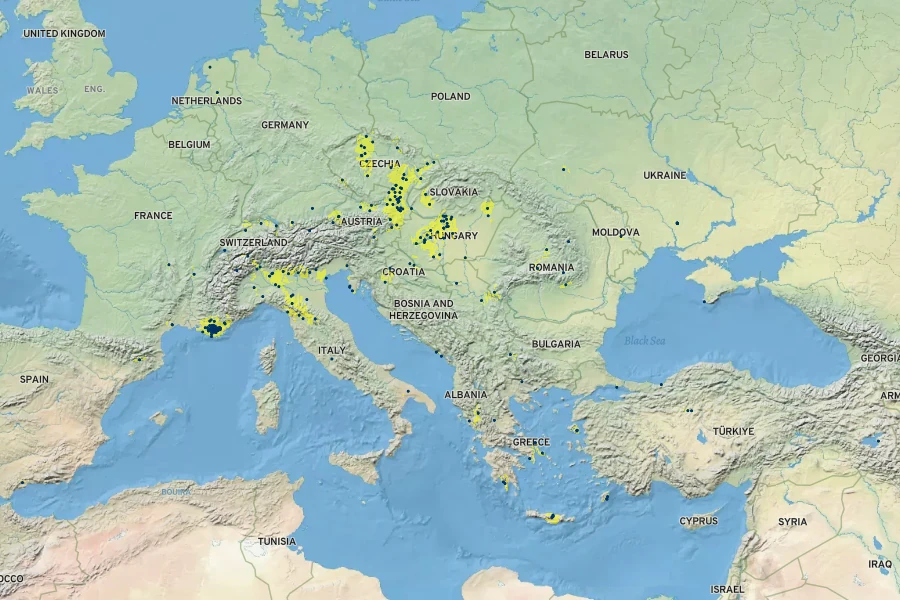
Native to temperate regions of Asia and Europe, particularly found in open woodlands and scrub areas
Other Names
Common Names: Garden Hollyhock, Common Hollyhock
Scientific Names: Alcea biennis, Althaea pallida
GBIF Accepted Name: Alcea biennis